



Epoxy-coated Rebar
 Widely Used Due To Excellent Corrosion Resistance
Cost-Effective Corrosion Protection for Reinforced Concrete
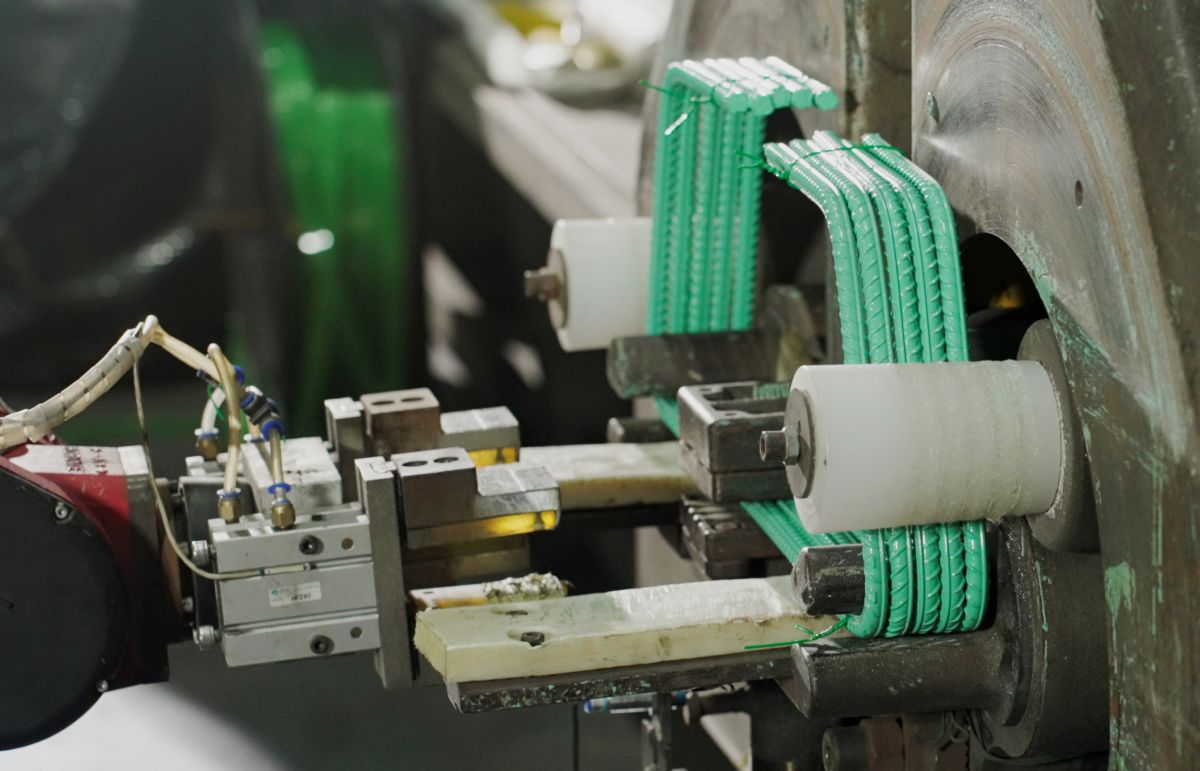
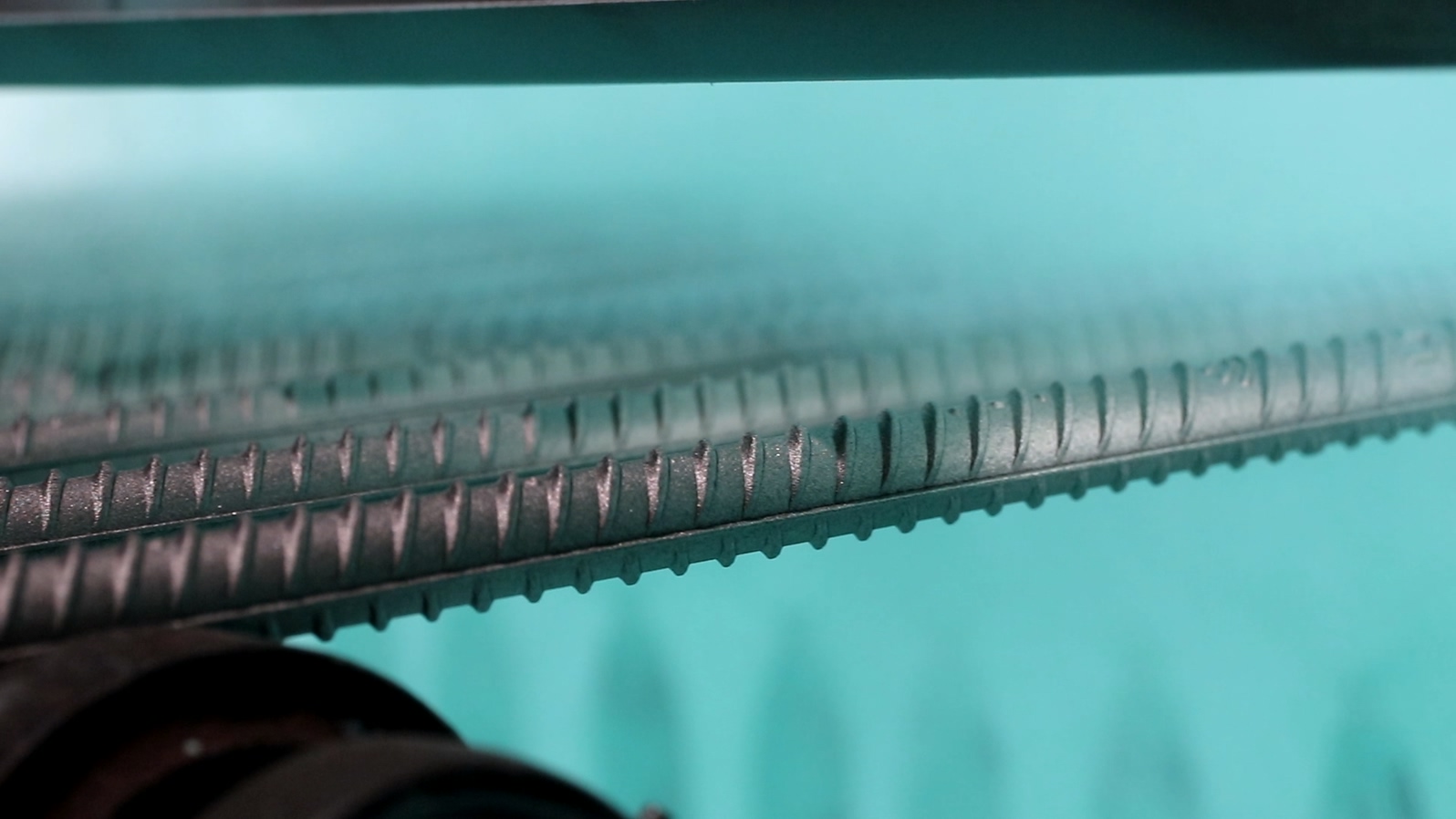
Epoxy-coated rebar is manufactured by electrostatically applying fusion-bonded epoxy powder to carbon steel, forming a durable protective barrier . The coating provides excellent resistance to chemicals, moisture, oxygen, and chlorides, significantly delaying corrosion and extending the service life of reinforced concrete structures. 
- Grades:
ASTM A615 Gr60(420)/Gr75(520) - Coating Technology:
Electrostatic powder spraying - Powder Coating Brands:

- Coating Standards:
ASTM A775/A775M - Custom Diameters:
6 mm – 50 mm - Standard Lengths:
6 m - 12 m
Key Benefits
- Excellent Corrosion Protection
The dielectric coating helps mitigate stray-current-induced corrosion in electrified infrastructure.
- Excellent Coating Integrity
Uniform coating thickness and strong adhesion ensure reliable performance during fabrication and installation.
- Cost-Effective Durability
Delivers long-term corrosion protection with reduced maintenance and lower whole-life costs.
- Sustainable Solution
Manufactured using high-recycled-content steel to extend structural service life and reduce life-cycle environmental impact.
- Reliable Global Supply
Four automated coating lines with an annual production capacity of 200,000 tonnes.
Typical Applications
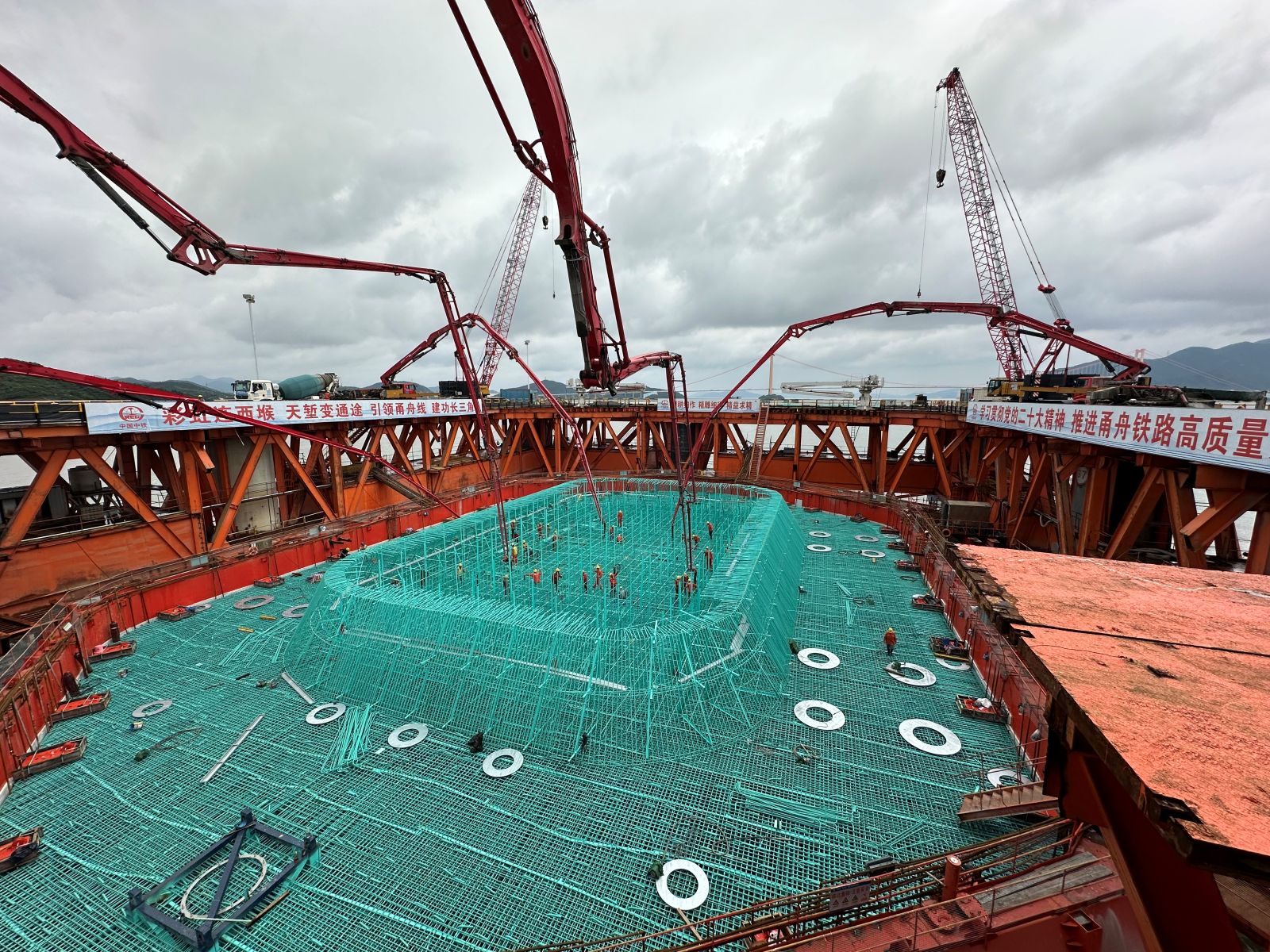
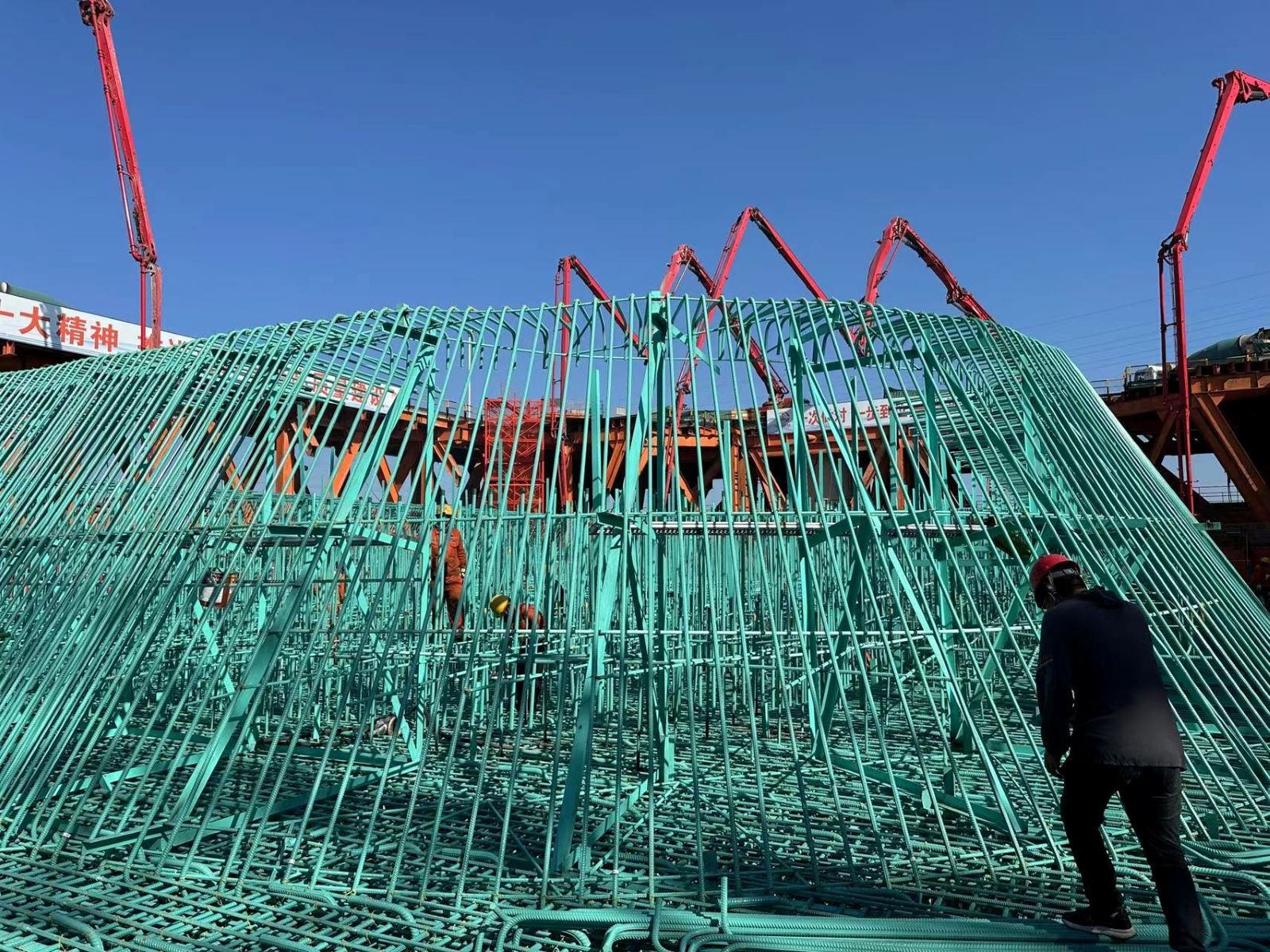
- Bridges & Highways
- Marine & Coastal Structures
- Ports & Harbors
- Metro & High-Speed Rail Infrastructure
- Railway Tunnels & Stations
- Airport Pavements
- Parking Structures
- Water & Wastewater Treatment Plants
- Power & Utility Infrastructure
- Industrial Facilities
Epoxy Coated Rebar Performance


Fusteel Co., Ltd. © 2026, All rights reserved